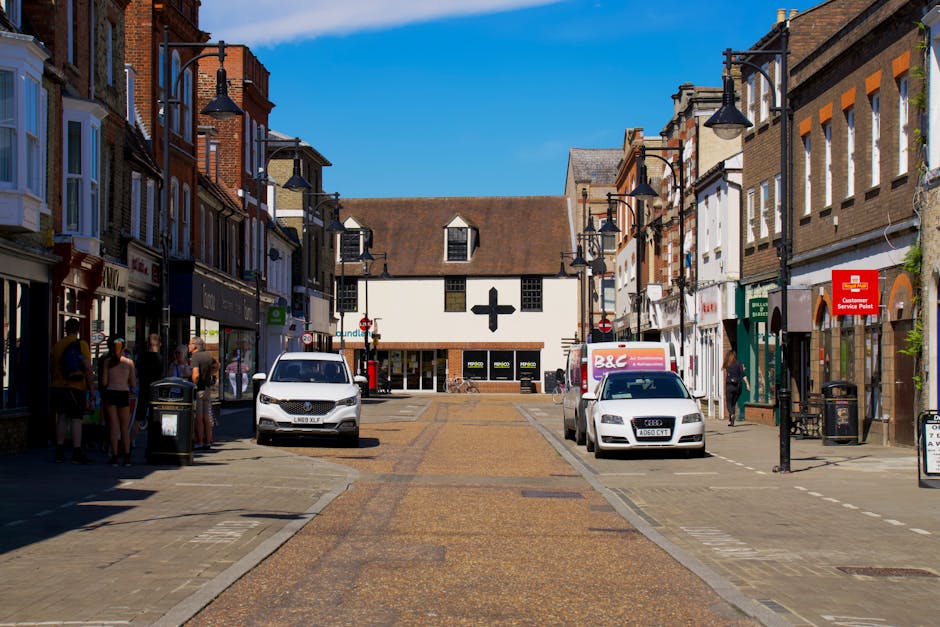
Whitewebbs Lane access & parking for Bulls Cross moves
Posted on 26/05/2026
Whitewebbs Lane access & parking for Bulls Cross moves
If you are planning a move in Bulls Cross, Whitewebbs Lane access and parking can make the difference between a calm moving day and a frustrating one. Narrow approaches, limited waiting space, busy local traffic, and awkward unloading points all affect how quickly a van can get in, park safely, and get your belongings inside without unnecessary lifting. The good news is that most of these issues are manageable with the right planning.
This guide explains how Whitewebbs Lane access & parking for Bulls Cross moves works in practice, what usually causes delays, and how to prepare so your removal team can work efficiently. Whether you are moving from a flat, a house, or a student property, a little local thinking goes a long way. And yes, it can save you more than just time.

Why Whitewebbs Lane access & parking for Bulls Cross moves Matters
Access and parking are not side issues in a house move; they shape the whole job. If the van cannot stop close enough to the property, every box, sofa, mattress, and appliance has to travel further by hand. That adds time, fatigue, and avoidable risk. It also increases the chance of knocks to furniture, doors, and walls.
Whitewebbs Lane is relevant because local roads around Bulls Cross can create a few practical pinch points: space for loading, visibility when stopping, passing traffic, and the distance from the van to the front door. Even when a road looks manageable in a quick recce, it may behave very differently with a removal vehicle in place. A street that feels fine in a car can feel surprisingly tight in a long wheelbase van.
For most movers, the aim is simple: reduce the number of handling steps. A good parking plan means fewer journeys, safer lifting, and less time with the back doors open while neighbours, pedestrians, and traffic are nearby. If you are already thinking about a man and van in Bulls Cross or a larger crew from local removals specialists, parking strategy should be part of the quote conversation, not an afterthought.
Practical takeaway: in local moves, access is often worth more than extra hands. A van parked well can outperform a bigger team parked badly.
How Whitewebbs Lane access & parking for Bulls Cross moves Works
In plain English, the process is about matching the vehicle, the property, and the timing. The move starts with identifying where the removal van can legally and safely stop. Then you decide how far items will need to travel between the property and the vehicle. Finally, you plan for any constraints such as narrow driveways, low branches, shared access, permit areas, or residential traffic peaks.
There are a few common ways this works on moving day:
- Driveway loading: best when the driveway is wide enough and the gradient is manageable.
- Kerbside loading: useful when the road allows a short, safe stop close to the entrance.
- Controlled or permit-based parking: sometimes needed where waiting restrictions or local parking controls apply.
- Shuttle loading: used when the van must park further away and items are carried in stages.
The right approach depends on the size of the vehicle and the nature of the property. A compact van might fit where a larger removal truck cannot. That is one reason many people choose a flexible service such as a dedicated removal van in Bulls Cross or a smaller booking through man with a van support. It is not always about choosing the largest option; it is about choosing the right one for the road.
Most experienced movers will also ask for photos, postcode details, and notes about stair access, turning space, and parking restrictions. That information helps them estimate whether the job can be done in one trip, whether a second vehicle is sensible, or whether the loading point needs to be arranged differently.
Key Benefits and Practical Advantages
Good access planning does more than make the van look neatly parked. It creates a better move overall. The benefits are both obvious and subtle, and they compound quickly over a full day.
- Faster loading and unloading: fewer metres to carry means less time spent on each item.
- Lower breakage risk: shorter carrying distances reduce the chances of slips and collisions.
- Less physical strain: useful when handling wardrobes, washing machines, and boxed books.
- Better time control: easier parking helps keep the move on schedule.
- Smoother neighbour relations: thoughtful positioning reduces blockage and disruption.
- Cleaner insurance position: an organised, safe approach is easier to defend if something goes wrong.
There is also a cost advantage. Time spent circling for parking, re-shuffling a van, or carrying items further than expected can turn a simple move into a longer job. If you are comparing quotes, ask how the mover handles access issues. A fair price should reflect the likely parking reality, not just the number of boxes.
For households moving larger furniture, the benefits are even clearer. A sofa that can be taken from front door to van in a direct line is much easier to manage than one that has to be manoeuvred around parked cars, tight corners, and slow traffic. If you are dealing with bulkier pieces, it may help to review furniture removals in Bulls Cross and decide whether you need extra handling support. The same logic applies to specialist items such as pianos, where parking and access are only part of the story; the lifting plan matters too, as explained in piano removals in Bulls Cross.
Who This Is For and When It Makes Sense
Whitewebbs Lane access and parking planning is useful for almost anyone moving in or out of Bulls Cross, but it is especially important in a few situations.
- Flat moves: where parking is already tight and stair carries are likely.
- House moves: where larger loads can quickly block a driveway or frontage.
- Student moves: where timing, budget, and speed all matter at once.
- Same-day moves: where there is little room for error or delays.
- Office or small business moves: where access windows may be limited by building rules.
It is also sensible for anyone with large or awkward items, limited helper availability, or a property close to busier sections of the local road network. If you are moving solo, parking becomes even more critical because you will not have a second person to keep the chain of movement flowing. In that case, a service like same-day removals in Bulls Cross can be helpful if your schedule is tight, while student removals are often best organised around compact loads and flexible timing.
For a smaller, cost-conscious move, the goal is not to create a perfect military operation. It is to avoid silly delays. Truth be told, most move-day headaches come from the simple things: nowhere to stop, too much to carry, and not enough planning the night before.
Step-by-Step Guidance
Here is a practical way to plan access and parking without overcomplicating the job.
- Check the property approach in daylight. Walk from the road to the front door and note the width, turning space, steps, slopes, bollards, and any tight corners.
- Measure the loading distance. Even a rough estimate helps. Ten metres is very different from forty when you are carrying a fridge or bed frame.
- Look for parking restrictions. Check signs for resident-only bays, loading limits, single yellow lines, or timed restrictions. If you are unsure, factor in extra time and consider alternate parking.
- Identify the best loading point. Sometimes the front entrance is not the best option. Side access, rear access, or a nearby lay-by may work better.
- Match the vehicle to the route. A smaller van may be easier to position if the road is tight. Larger vehicles can be efficient, but only if they can stop safely.
- Prepare the property inside. Clear hallways, protect floors if needed, and stack items close to the exit. A well-packed home is much easier to load; see also packing efficiency tips for a smoother move.
- Assign a clear parking contact. If someone else is meeting the van, make sure they know the exact entrance and can guide the driver if needed.
- Build in a plan B. If the nearest space is taken, decide in advance where the next legal stop will be.
A useful habit is to take photos of the frontage, parking area, and any awkward access points and send them before moving day. That one step can save a lot of back-and-forth later. If your move includes lots of boxes and you want the load to go faster, packing and boxes in Bulls Cross can help keep everything organised by room and by priority.
Expert Tips for Better Results
Good access planning is partly common sense, partly logistics. A few small decisions can make the whole day noticeably easier.
- Choose the smallest suitable vehicle. Bigger is not always better in tighter residential streets.
- Load heavy items first if access is short. This reduces double-handling and keeps the van balanced.
- Keep a clear staging area. Put boxes in one spot near the exit rather than spreading them through the home.
- Use proper lifting technique. Good body mechanics matter more than bravado. The basics are explained well in this guide to kinetic lifting techniques.
- Do not try to carry too much alone. One overfilled trip is slower than two controlled ones. If you are tempted to test your own heroics, read heavy lifting tips for solo movers first.
- Protect the property as well as the furniture. Door frames, banisters, and floors are often the things that suffer first. Insurance and safety planning should be part of the conversation, not a postscript.
One practical trick: put the items you will need last at the back and the earliest essentials near the front. That way the van can be unloaded in a sensible sequence if parking time is limited. It sounds simple because it is. Simplicity is underrated on moving day.

Common Mistakes to Avoid
Most access problems are preventable. They tend to happen when people assume a van can just "find somewhere nearby" or when they leave parking arrangements until the driver arrives.
- Assuming a large van will fit without checking. Road width and turning room matter more than people expect.
- Ignoring local restrictions. A quick stop in the wrong place can create fines, delays, or neighbour complaints.
- Underestimating carrying distance. What looks like a short walk can become exhausting with bulky furniture.
- Leaving boxes unlabelled. If the crew cannot identify priority items, the unload takes longer.
- Not clearing the exit route. Shoes, door wedges, loose rugs, and bikes can all create pointless hazards.
- Trying to handle specialist items casually. Pianos, freezers, and large sofas deserve proper preparation. For example, if you are moving or storing a fridge later, the advice in temporary freezer storage tips is a useful reminder that preparation matters just as much as transport.
Another frequent mistake is forgetting about the return journey. If you are vacating a property and the van must come back for a second load, the first parking choice must still work later in the day. Streets change over time; school runs, refuse collections, and resident traffic all affect what is possible.
Tools, Resources and Recommendations
You do not need specialist equipment to plan access well, but a few simple tools can help.
| Tool or Resource | What It Helps With | Best Use |
|---|---|---|
| Phone camera | Sharing entrance, parking, and route photos | Before the quote and on the day if conditions change |
| Measuring tape | Checking doorway widths and furniture clearances | When moving large items or tight stairwell turns |
| Notepad or moving app | Recording parking notes, access constraints, and loading order | Planning the final week before the move |
| Floor protection materials | Reducing scuffs and dirt during repeated trips | Useful in wet weather or where floors are delicate |
| Pre-move declutter plan | Reducing volume before loading starts | Excellent if space is limited and parking is tight |
For many households, the best resource is simply a sensible packing and moving plan. If you want practical preparation ideas, smart decluttering tips and moving-day cleaning guidance can make the property easier to work in and reduce the amount of stuff that needs to be handled at all.
If you are comparing service levels, it is also worth reviewing the wider support pages for services overview, pricing and quotes, and the company's insurance and safety information. Those pages help set expectations before booking.
Law, Compliance, Standards, or Best Practice
Parking and access for a move are usually governed by standard road rules, local parking controls, and common-sense safety practice. The exact restrictions depend on the street and local authority arrangements, so it is wise to check signage carefully rather than assume that stopping briefly will be acceptable.
In practical terms, a professional mover should aim to:
- park legally and without blocking emergency access;
- avoid causing unnecessary obstruction to pedestrians, residents, or other road users;
- use safe lifting and loading methods;
- take reasonable care of property and surrounding surfaces;
- communicate clearly if the planned parking spot has to change.
If you are using a service provider, it is sensible to read the company's health and safety policy and terms and conditions. That is especially useful for understanding responsibility around access, parking delays, and items that need special handling. You may also want to look at accessibility information if the property or occupants have mobility-related requirements.
Best practice is usually straightforward: plan early, document the access route, and give the mover enough detail to make a realistic parking plan. That is usually more effective than trying to solve everything on the doorstep.
Options, Methods, or Comparison Table
Different properties need different parking approaches. Here is a simple comparison to help you decide what is likely to work best.
| Method | Best For | Pros | Trade-offs |
|---|---|---|---|
| Driveway loading | Homes with enough frontage or private space | Fast, direct, minimal carrying | Not always possible with larger vans or shared drives |
| Kerbside loading | Properties with safe road frontage | Convenient and usually efficient | May depend on traffic, signage, and vehicle size |
| Shuttle loading | Tight streets or restricted parking zones | Flexible when no close stop is available | Slower and more physically demanding |
| Smaller van strategy | Narrow lanes or awkward access | Improves manoeuvrability and stopping options | May need more trips if the load is large |
In many Bulls Cross moves, the smartest choice is a hybrid approach: a vehicle that can park as close as legally possible, paired with a clear loading sequence and good packing discipline. If you are moving only a few pieces, a man with a van may be more efficient than a large truck. If you are moving a full household, a more complete house removals service may be the better fit.
Case Study or Real-World Example
Imagine a typical Bulls Cross move from a ground-floor flat set back from the road. On paper, it looks easy. In reality, the roadside parking is shared, the nearest legal stop is further away than expected, and the entrance path has a narrow section near the gate.
The first attempt might seem straightforward, but the team quickly realises that carrying every item the full distance will slow the schedule. Rather than forcing the issue, they switch to a better plan: the van parks where it is safest and legal, fragile items are loaded in a protected sequence, and heavier furniture is moved with extra care. The load is split into organised runs instead of chaotic back-and-forth trips.
The outcome is not glamorous, but it is effective. The move stays controlled, the property is protected, and the occupants avoid the stress of seeing boxes pile up in the wrong place. That is the real value of planning access properly: it keeps the day ordinary. And ordinary is excellent on moving day.
This kind of approach also works well for people who are decluttering before they move. If you need to reduce volume first, the advice in declutter effectively before you move can help you cut the load before a single parking decision is made.
Practical Checklist
Use this checklist in the final few days before the move.
- Confirm the exact address and entrance to be used.
- Check whether the van can park directly outside or needs a fallback spot.
- Review signs for restrictions, loading limits, and resident parking controls.
- Take photos of the frontage, driveway, and nearest legal stop.
- Measure tight doors, stairs, and any narrow sections of the route.
- Clear the entry path inside and outside the property.
- Separate priority items from general boxes.
- Protect floors and corners if the route is tight or weather is poor.
- Keep keys, paperwork, and contact numbers ready.
- Tell the mover about anything awkward before arrival, not after.
If you are still at the preparation stage, packing efficiency guidance and a solid quote review through pricing and quotes are sensible next steps.
Conclusion
Whitewebbs Lane access & parking for Bulls Cross moves is really about reducing friction. The better the access plan, the smoother the loading, the safer the lifting, and the less pressure on moving day. You do not need a perfect road or a huge vehicle. You need a realistic plan, a legally safe stopping point, and enough information for the crew to work efficiently.
That is why the best moves are usually the most organised ones. If the parking is sorted, half the battle is already won. If the route from the van to the front door is simple, the rest of the job becomes much more manageable. And if you are still weighing up options, remember that a careful local mover can help you avoid the sort of access problems that only become obvious when the clock is already ticking.
Get a free quote today and see how much you can save.